How Do You Approach Your First Week Of Sessions In A New Cold Plunge?
The first seven days set habits that last for years. A measured plan for temperature, duration, breathing, and safety turns a shocking novelty into a practice you will keep.
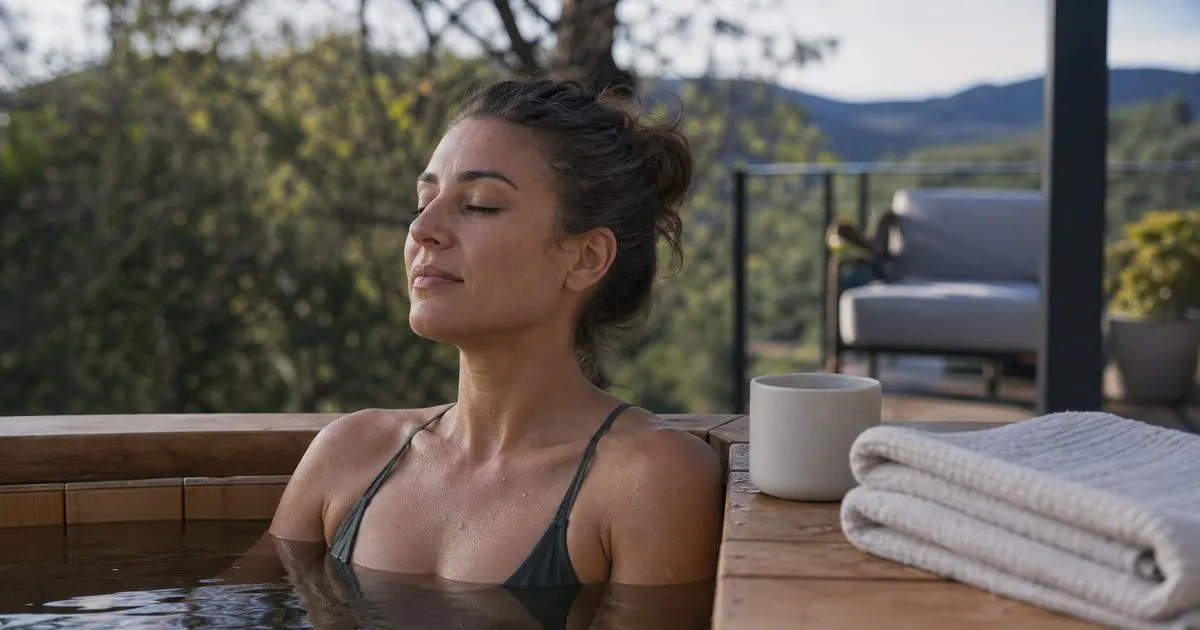
Start warmer and shorter than you think
Your new tub can probably reach temperatures far colder than you should use in week one. Set it toward the warmer end of the cold range for the first few sessions, somewhere in the fifties in Fahrenheit rather than the thirties, and keep immersions brief, typically a minute or two. The point of week one is to teach your nervous system that the cold is survivable and that you are in control, not to prove anything. Every session that ends calmly builds the foundation for colder, longer sessions later. Related: What Should You Know About Chilling Systems In A Premium Cold Plunge?
Enter slowly but decisively. Standing at the edge deliberating makes the moment worse, while lowering yourself in over a few seconds gives your breathing a chance to catch up. Submerge to the shoulders once you are settled; a partial immersion that leaves the torso dry does not deliver the same effect and often feels colder because you keep moving. Keep your hands out of the water for the first sessions if they ache, since extremities lose heat fastest and cold hands are a common reason people quit early. Related: Which Filtration And Sanitation Features Keep A Luxury Ice Bath Truly Clean?
Keep reading: How Do You Choose A Luxury Cold Plunge For Home Wellness Use?, What Should You Know About Chilling Systems In A Premium Cold Plunge?, How Much Does A High End Home Cold Plunge Actually Cost To Own?. See how Coldplungr helps you the wellness guide to premium cold plunges and ice baths.
Breathing is the whole game
The first thirty seconds in cold water trigger an involuntary gasp and rapid breathing. This cold shock response is normal, and learning to ride through it is the core skill of the first week. Before entering, take a few slow breaths. Once in, focus entirely on making the exhale longer than the inhale. Within a short time the urge to hyperventilate fades, the shivering settles, and a surprising stillness arrives. That transition is the reward, and it comes sooner with each session.
Never hold your breath or attempt breathing exercises that involve hyperventilation before or during immersion. Combining breath holds with cold water is a known drowning risk even for strong swimmers, because the reflexes that normally protect you can be suppressed. Keep the practice simple: slow, steady, nose breathing where possible, mouth if needed. If you cannot get your breath under control within a short time, stand up and step out; there is no failure in leaving early. Related: Where Should You Place A Cold Plunge Indoors Or In Your Garden?
Build a schedule you can sustain
Daily plunging in week one is fine for most healthy adults, but every other day is also a perfectly good start. Consistency matters more than intensity. Choose a fixed time, usually morning or after a workout, and treat it as an appointment. Each session, note the temperature, how long you stayed, and how you felt afterward. Two or three sentences in a notebook or a phone reveal patterns quickly, like which temperatures leave you energized and which leave you drained.
Increase one variable at a time. Add thirty seconds before you drop a degree, or lower the temperature slightly while keeping duration fixed. Aim for progress across the week, not within a single session. Rewarming deserves as much attention as the plunge itself: dry off, dress in layers, and move around gently. Avoid jumping straight into a hot shower, since the sharp swing can leave some people lightheaded. Expect an afterdrop, where you feel colder ten minutes after exiting than you did in the water; it passes.
Safety rules that never relax
Cold water places real demand on the cardiovascular system. Anyone with a heart condition, high blood pressure, a history of fainting, or who is pregnant should talk to a physician before starting. During the first week, plunge with someone nearby or at least within earshot, avoid alcohol beforehand, and never plunge when unwell. Keep the steps and surrounding surface dry and grippy, since a slip on the way out of a cold tub is a more common injury than anything that happens in the water. Related: How Do You Choose A Luxury Cold Plunge For Home Wellness Use?
Know the signs to exit: numbness that spreads past the extremities, confusion, slurred speech, uncontrollable shivering that does not settle, or chest discomfort. These are not challenges to push through. A good first week ends with you feeling capable, curious, and slightly proud, ready to explore colder temperatures in the weeks that follow. If your tub was purchased through a link on this site, we may have earned a commission; our guidance on safe practice is the same regardless.
- Begin in the fifties in Fahrenheit for one to two minutes rather than chasing the coldest setting.
- Make the exhale longer than the inhale and never combine breath holds with cold water.
- Change one variable per session and log temperature, duration, and how you felt.
- Plunge with someone nearby in week one and exit on numbness, confusion, or chest discomfort.

Julien Jimenez
Julien Jimenez is an independent software builder based in Paris. He designs, ships, and operates focused SaaS products for small businesses and independent professionals. Read the full author page.
Cold Water, Considered Well
The wellness guide to premium cold plunges and ice baths. Coldplungr is built to help you put this into practice.
Compare plungesMore from the Coldplungr blog
How Do You Choose A Luxury Cold Plunge For Home Wellness Use?
What Should You Know About Chilling Systems In A Premium Cold Plunge?

How Much Does A High End Home Cold Plunge Actually Cost To Own?
Get the complete cold plunges and ice baths guide
Our full buying guide, the price guide, and new research as we publish it. One email, no spam, unsubscribe any time.